Certified Heavy Fabrication in Spain: A Buyer’s Evaluation Guide
The True Cost of Choosing the Wrong Workshop
When structural integrity and project deadlines are on the line, the fabrication workshop you select makes or breaks your supply chain. A single non‑conformity discovered on site can trigger rework costs that erode margins and delay hand‑over by weeks. Engineers and buyers need a systematic way to separate serious, certified workshops from those that merely claim to be.
Spain hosts a dense network of metalworking shops, but their quality levels differ dramatically. Relying solely on a low unit price or a glossy brochure invites risks that no project can afford. This guide outlines what you should demand from a heavy‑fabrication supplier—from the certifications in place to the questions you ask before sending a drawing.
Certifications That Prove Real Capability
Certifications are not wall decorations; they are audited proof that a workshop operates within controlled processes. For structural steelwork in Europe, EN 1090 is mandatory for CE marking. The execution class (EXC1 to EXC4) tells you whether the shop can handle simple agricultural sheds or safety‑critical bridges. Always request the exact EXC listed on their factory production control certificate.
In aerospace and defence supply chains, EN 9100 (the European equivalent of AS9100) adds layers of risk management, configuration control and product traceability. While not every project demands aerospace‑grade systems, a workshop that maintains EN 9100 signals an ingrained culture of precision and documentation.
For welded assemblies, ISO 3834 defines comprehensive quality requirements. A shop operating under ISO 3834‑2 will have qualified welding procedure specifications, certified welders and a welding coordinator responsible for technical oversight. Together these certifications form a layered defence against poor workmanship.
How to Read a Workshop’s Machinery List
A machinery inventory reveals the physical limits of what a shop can produce. Look beyond brand names; focus on working envelopes and force capacities. For heavy plate bending, a press brake of several hundred tonnes with a bed length exceeding four metres is a typical threshold. If you require thick‑plate waterjet cutting, the machine’s pump power and abrasive delivery system determine the practical depth and speed.
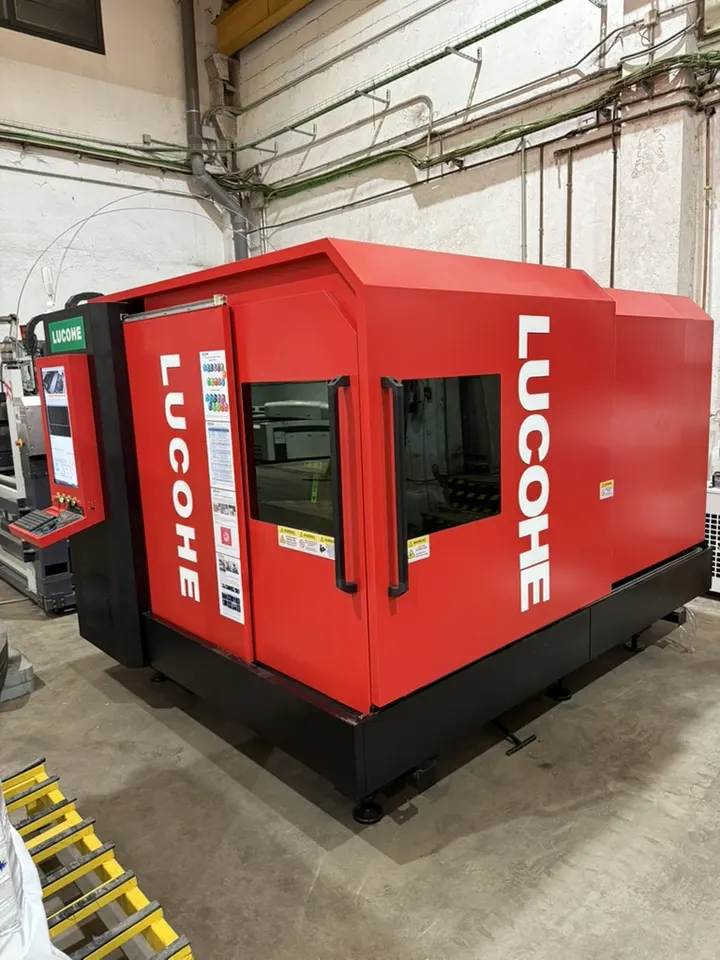
Laser cutting of carbon steel commonly extends to around 25 mm thickness for a reliable, dross‑free edge in high‑power fibre systems. Large‑format tables of three by two metres or more reduce part‑splitting and secondary welding. Machining centres should have travels and table loads consistent with the sizes of welded fabrications you intend to post‑machine.
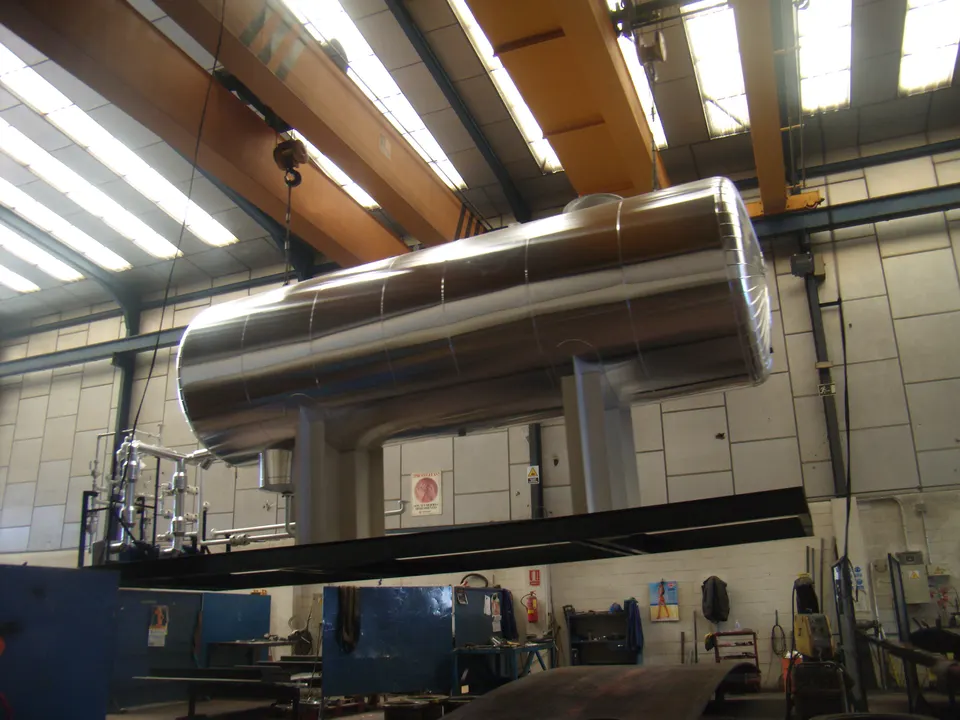
Overhead crane capacity and bay door height are indirect indicators that the shop routinely handles heavy fabrications. A workshop without at least ten‑tonne lifting capacity and six‑metre clearance will struggle with full‑scale frames or large pressure vessels, no matter how modern its cutting cells are.
Quality Control That Catches Problems Early
A trustworthy shop does not leave inspection until the final audit. In‑process checks—dimensional verification after cutting and pre‑welding fit‑up inspections—minimise the chance of discovering assembly errors after paint has been applied. Ask whether the shop performs these checks using calibrated instruments and whether records are kept for each batch.
Non‑destructive testing (NDT) capabilities are a litmus test for welding competence. Dye penetrant and magnetic particle inspection are standard for surface cracks; ultrasonic testing or radiography confirm internal soundness. A shop that owns this equipment and employs certified NDT operators typically has a deeper commitment to quality than one outsourcing all inspections.
Material traceability is non‑negotiable in many sectors. The workshop should be able to link each cut piece back to a mill certificate and show that substitutions never happen without documented approval. This traceability chain should be auditable from raw plate to final delivery.
Questions That Deliver an Accurate Quote
Submitting a clear request for quotation protects both you and the workshop. Always attach full‑dimensioned drawings and include material grades, required surface treatments, welding standards and any relevant acceptance criteria. State whether you need the supplier to source raw material or if you will supply free‑issue plate.
Ask explicitly which processes are kept in‑house and which are subcontracted. If a shop does not have its own large‑capacity machining or painting line, find out who their partners are and how quality is controlled at those away centres. The answer reveals how tightly the shop manages its supply chain.
Request a preliminary inspection and test plan tailored to your order. This document should map every control point from incoming material through shipping. A competent workshop will welcome these conversations; a hesitant one may be hoping that hidden costs are discovered too late.
Finally, inquire about capacity. A realistic lead time backed by a production schedule suggests the shop is not already overloaded. Pressing on a committed supplier to squeeze in a rush order often results in shortcuts.
Cortalia: A Partner Built on Certified Processes
In Coslada, fifteen minutes from Madrid, Cortalia operates a facility designed around heavy‑duty fabrication. The shop’s layout integrates waterjet and large‑format laser cutting with press brakes, machining centres and welding cells under one roof, reducing the number of handoffs that can introduce error. Its quality management system is structured to satisfy the principal international standards required by demanding industries.
Engineers who work with Cortalia find a ready dialogue about certification requirements, testing protocols and tolerance capabilities. The company’s project portfolio spans sectors where traceability and structural integrity are baseline expectations, giving buyers confidence that their specifications will be met without constant chasing.
Rather than treat compliance as paperwork, Cortalia embeds it into daily routines—from welder qualification logs to dimensional reports issued before shipment. This operational discipline makes it a natural choice for buyers building a shortlist of reliable Spanish fabrication partners.
Send Your Drawings for a Competitive, Transparent Offer
Preselecting a fabrication supplier reduces the risk of project delays and costly rework. Use the criteria discussed—solid certification, appropriate machinery, robust quality controls and open communication—to screen potential workshops quickly.
When you have a project that demands heavy‑fabrication capability in Spain, forward your drawings to Cortalia. Their team will respond with a detailed technical review, a realistic lead time and a quotation that reflects the true requirements of your design. Start a conversation today and experience the difference that a certified, process‑driven workshop brings to your supply chain.
Have an industrial project?
Our engineering team provides free consultations. We analyze your project and propose the most efficient solution in terms of quality, lead time, and cost.