CNC Machining in Spain: A Buyer's Guide to Outsourcing
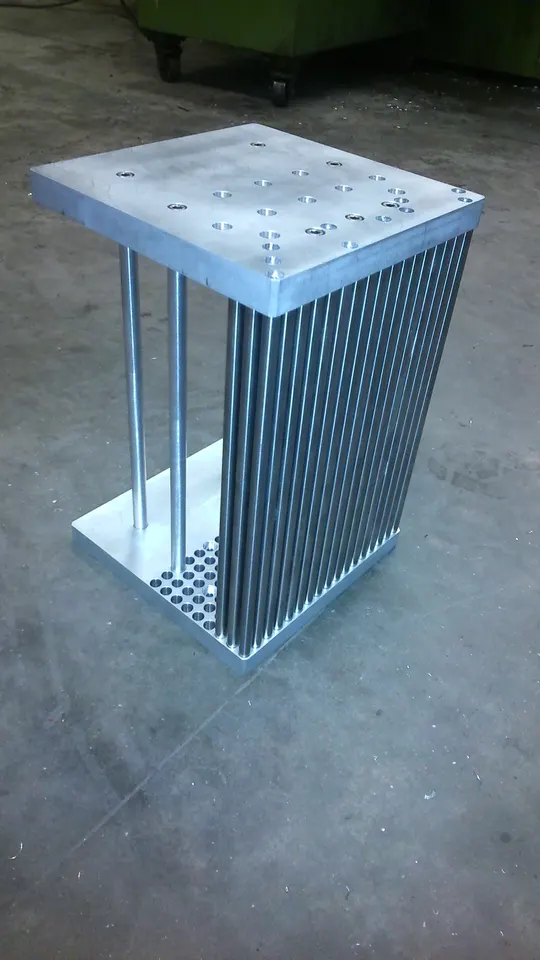
Why Spain is a Strategic Choice for CNC Machining
When your project demands precision-machined components, choosing the right manufacturing partner is critical. Spain has emerged as a competitive hub for CNC machining within the European Union, offering a blend of technical expertise, modern equipment, and logistical advantages.
For buyers in the EU, working with a Spanish machine shop can reduce lead times and shipping costs compared to sourcing from Asia, while maintaining high quality standards. The country's industrial tradition, particularly in regions like Madrid, ensures a skilled workforce familiar with demanding sectors such as automotive, aerospace, and industrial machinery.
Cortalia, located in Coslada (Madrid), exemplifies this capability. With a focus on subcontracting for industry, we combine CNC machining with complementary services like laser cutting and bending, providing a one-stop solution for complex parts.
What to Look for in a CNC Machining Partner
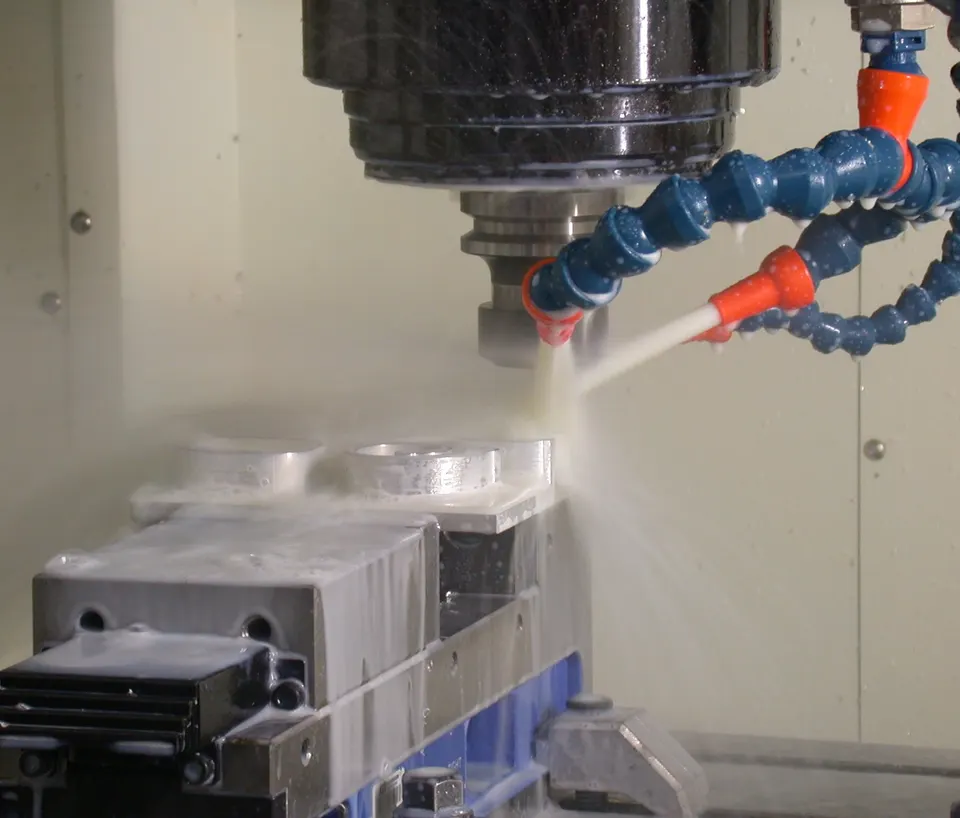
Not all machine shops are equal. When evaluating potential partners, consider their range of CNC equipment. A shop with both 3-axis and 5-axis milling machines, as well as CNC lathes, can handle a broader spectrum of geometries and reduce the need for multiple suppliers.
Material expertise is another key factor. A versatile shop should be comfortable machining common metals like aluminum, steel, and stainless steel, as well as engineering plastics. Ask about their experience with your specific material, as machining parameters vary significantly.
Quality systems are non-negotiable. Look for shops that follow recognized quality management practices, even if they don't hold a specific certification. They should have in-process inspection procedures and the ability to provide material certificates or dimensional reports when required.
Preparing Your Drawings and Specifications
Clear communication starts with a complete technical package. Always provide 3D CAD models (STEP or IGES formats are standard) along with 2D drawings in PDF. The drawing should specify all critical dimensions, tolerances, surface finishes, and any special requirements like edge breaks or deburring.
Use geometric dimensioning and tolerancing (GD&T) where appropriate. This reduces ambiguity and ensures the machinist understands which features are functionally important. If you have a preferred datum structure, include it.
For materials, specify the exact alloy or grade (e.g., 6061-T6 aluminum, 304 stainless steel). If you are open to alternatives, state that clearly to allow the shop to suggest cost-effective options. Also indicate the required quantity and any expected repeat orders, as this affects tooling and pricing.
Managing Quality and Tolerances
Precision machining is defined by tolerances. Typical CNC milling can achieve tolerances in the range of a few hundredths of a millimeter, but this varies with part size and geometry. Overly tight tolerances increase cost and lead time, so apply them only where functionally necessary.
A reliable shop will perform first article inspection (FAI) for new parts, verifying critical dimensions against your drawing. They should also conduct in-process checks using calibrated instruments. Ask about their inspection equipment: calipers, micrometers, and coordinate measuring machines (CMM) are common.
Surface finish is another quality parameter. Standard machined finishes are usually adequate for most applications, but if you need a specific roughness (Ra), specify it. Post-processing like anodizing or passivation can be arranged, but clarify responsibility for these steps.
Lead Times and Logistics
Lead times for CNC machining depend on part complexity, quantity, and shop workload. A simple part might ship within days, while complex multi-setup parts could take weeks. Always ask for a realistic estimate and plan buffer time for first articles.
For buyers outside Spain, logistics are straightforward within the EU. Parts can be shipped by courier or freight, and customs are not an issue. Cortalia regularly serves customers across Spain and the EU, ensuring reliable delivery.
Clear communication about deadlines is vital. If your project has a hard date, state it upfront. A good shop will tell you if it's feasible and suggest ways to meet the timeline, such as prioritizing certain operations or using expedited shipping.
Cost Considerations and Value
Price is always a factor, but the lowest quote is not always the best value. Consider the total cost of ownership: a shop that delivers on time with consistent quality saves you from rework, delays, and supplier management headaches.
Ask for a detailed quote that breaks down material, machining time, setup, and any finishing. This helps you compare apples to apples and identify where costs can be optimized. For example, simplifying a design or relaxing a tolerance can significantly reduce price.
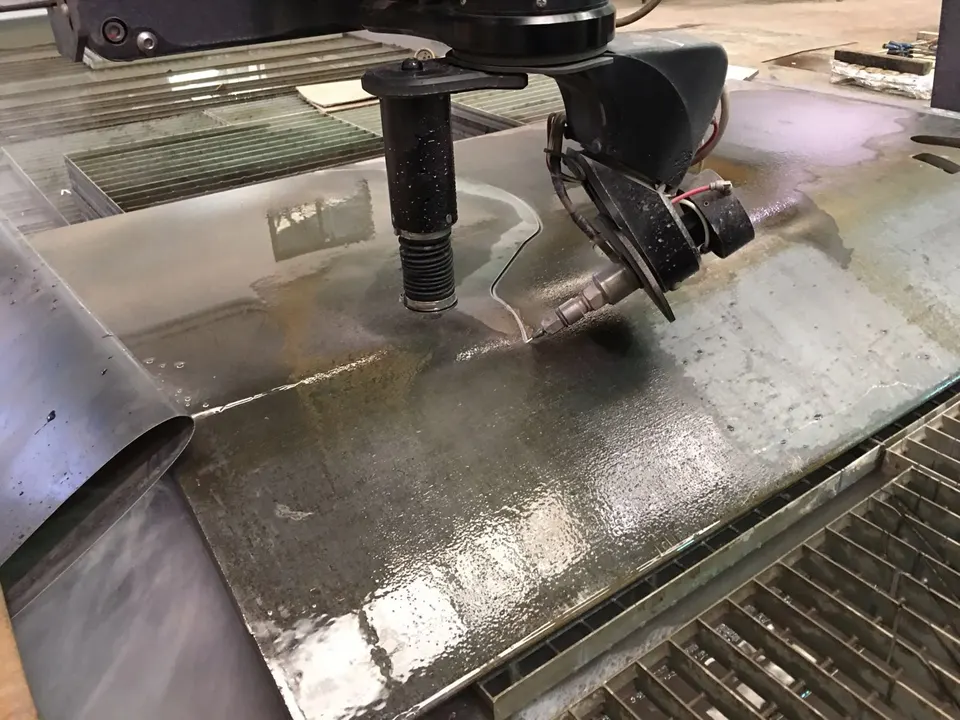
Cortalia aims to provide competitive pricing by leveraging our integrated capabilities. Since we also offer laser cutting and bending, we can often produce blanks or pre-forms in-house, reducing material waste and handling.
Start Your Project with Cortalia
Outsourcing CNC machining in Spain doesn't have to be complicated. By choosing a partner with the right equipment, expertise, and quality focus, you can streamline your supply chain and get precision parts on time.
Cortalia is ready to support your next project. Send us your drawings and specifications, and our team will provide a prompt, no-obligation quote. Whether you need a prototype or production run, we have the capabilities to deliver.
Contact us today to discuss your machining needs and discover how our integrated approach can add value to your manufacturing process.
Have an industrial project?
Our engineering team provides free consultations. We analyze your project and propose the most efficient solution in terms of quality, lead time, and cost.