Laser Cutting Sheet Metal: Cost Factors and Hourly Rates
Why Hourly Rates Only Tell Half the Story
When sourcing laser-cut sheet metal parts, buyers often ask for an hourly rate. It seems like a simple benchmark, but in practice, the cost per hour is influenced by many variables that can make one quote look cheaper while actually costing more per part.
A low hourly rate on a slow machine or with an inexperienced operator can result in higher overall costs than a higher rate on a modern, efficient laser. The real question is not 'what is the hourly rate?' but 'what will my parts cost, and why?'
This guide breaks down the main factors that influence laser cutting costs in Spain, so you can prepare realistic budgets and compare subcontractor offers on a like-for-like basis.
Key Factors That Drive Laser Cutting Costs
The cost of laser cutting is not a fixed number; it depends on the machine, the material, and the part geometry. Understanding these factors will help you anticipate costs and communicate effectively with your cutting partner.
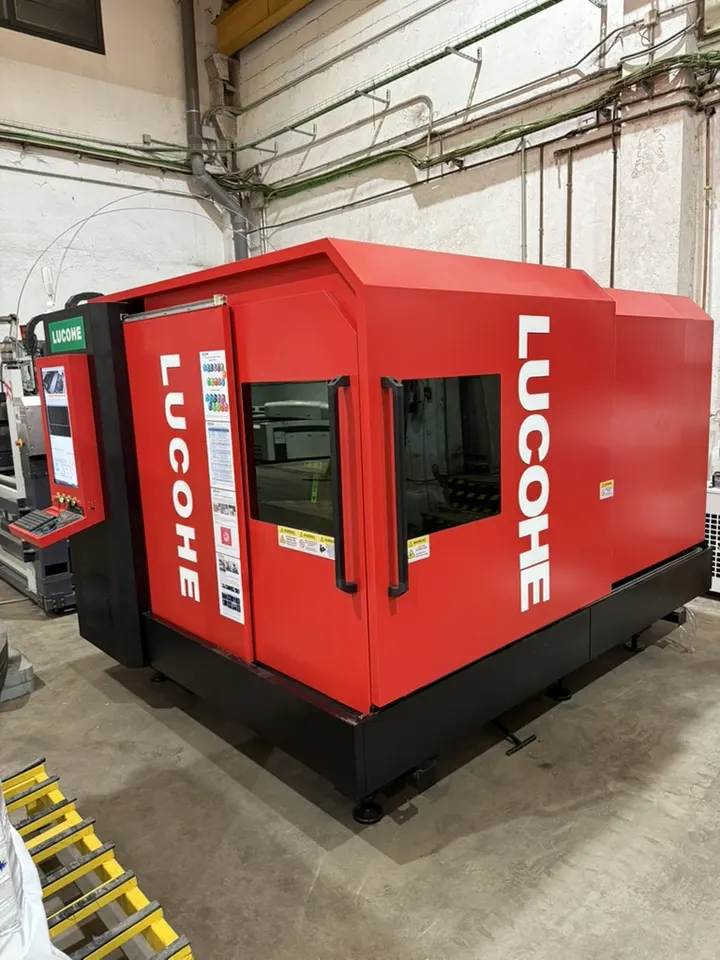
Machine type and power: Fiber lasers are generally faster and more energy-efficient than CO2 lasers, especially on thin to medium sheet. Higher power allows faster cutting on thicker materials, but the machine's hourly cost is also higher due to investment and maintenance.
Material type and thickness: Mild steel, stainless steel, and aluminum each behave differently. Stainless and aluminum often require more power or slower speeds, and they may need assist gases like nitrogen, which adds cost. Thicker material means slower cutting and more laser power, increasing the time per part.
Part complexity and nesting: Intricate contours, small holes, and tight spacing increase cutting time and may require special programming. Efficient nesting of multiple parts on a sheet reduces waste and machine time, lowering the cost per part even if the hourly rate is unchanged.
What Goes into an Hourly Rate
A subcontractor's hourly rate must cover more than just the laser running. It includes machine depreciation, energy, consumables (nozzles, lenses, assist gas), operator labor, programming, and overheads like facility and quality control.
In Spain, rates can vary by region and by the subcontractor's specialization. A shop focused on high-volume simple parts may offer lower rates than one handling complex, low-volume jobs with tight tolerances. However, the lower rate may not include programming or setup, which are charged separately.
When comparing quotes, ask what is included: setup, programming, material handling, quality inspection, and packaging. A transparent quote will itemize these, allowing you to compare the total cost per part rather than just the hourly figure.
How to Estimate Your Project Cost
Instead of relying solely on hourly rates, work backwards from your part requirements. Start by defining the material, thickness, and quantity. Then consider the part's perimeter length and the number of pierces, as these directly affect cutting time.
A typical approach is to request a quote for a representative batch. Provide a DXF or DWG file, and specify the material grade, surface finish, and any post-processing like deburring or tapping. The subcontractor can then calculate the cutting time and material usage precisely.
For rough budgeting, you can estimate cutting time per part by considering the laser's typical cutting speed for your material thickness and the total cut length. Multiply by a realistic hourly rate (including setup amortized over the batch) and add material cost. But remember, these are only estimates; actual quotes will vary.
Volume matters: larger batches spread setup and programming costs over more parts, reducing the cost per unit. If your design allows, consider grouping different parts on the same sheet to improve material utilization and reduce waste.
Typical Cost Ranges in the Spanish Market
While exact rates are confidential and vary, it is useful to know general industry practice. In Spain, laser cutting services are often quoted per part or per sheet, with the hourly rate embedded. As a rule of thumb, fiber laser cutting of mild steel up to a few millimeters thick is relatively economical, while cutting thick stainless or aluminum costs more due to slower speeds and gas consumption.
Some subcontractors offer 'all-in' rates per hour that include machine, operator, and overheads, but exclude material. Others charge for machine time separately from programming and setup. Always clarify what is included.
Do not be swayed by a very low hourly rate if it comes with high setup fees or minimum charges. Conversely, a higher rate might be justified by faster cutting, better nesting, and lower scrap, resulting in a lower cost per good part.
Questions to Ask Your Laser Cutting Partner
To get accurate and comparable quotes, ask your potential subcontractor these questions: What laser type and power do you use? What assist gases are included? How do you charge for programming and setup? What is your typical material utilization rate? Do you offer design-for-manufacturing feedback?
A good partner will help you optimize your design for laser cutting, reducing costs without compromising quality. They should be willing to explain their pricing and suggest alternatives, such as different material grades or nesting strategies.
Also inquire about their quality certifications and inspection processes, especially if your parts are for critical applications. In Spain, many subcontractors hold ISO 9001 and may have specific industry certifications.
Get an Accurate Quote for Your Parts
Estimating laser cutting costs per hour is only the first step. The true cost depends on your specific parts and the efficiency of the cutting process. At Cortalia, we combine modern fiber laser technology with experienced engineers to deliver cost-effective cutting for a wide range of materials and thicknesses.
We work with industrial clients across Spain and the EU, providing transparent quotes based on your drawings. Our team can advise on material selection, nesting, and design modifications to lower your total cost.
Send us your DXF or DWG files along with your requirements, and we will provide a detailed quotation. Let's turn your sheet metal designs into reality—efficiently and competitively.
Have an industrial project?
Our engineering team provides free consultations. We analyze your project and propose the most efficient solution in terms of quality, lead time, and cost.