How to Choose a Sheet Metal Laser Shop in Spain for Repeat Orders
The Stakes for Repeat Orders
When your production line depends on a steady flow of precision-cut sheet metal parts, choosing a laser cutting supplier is not a one-off decision. It is the start of a long-term relationship that directly affects your own lead times, quality consistency, and ultimately your customers’ trust.
Recurring orders demand repeatable processes. A shop that delivers a flawless first batch might struggle on the tenth if it lacks robust quality systems, machine redundancy, or a skilled team. Variability is the enemy of assembly lines, and even small deviations can cascade into costly rework or delays.
In Spain’s competitive industrial landscape, mid-sized subcontractors like Cortalia fill a critical niche. They combine the technical depth of larger groups with the agility and personal attention that high-volume OEMs often miss. For engineers and purchasing managers, the goal is to find a partner that grows with you—not merely a transactional supplier.
Assessing Technical Capacity
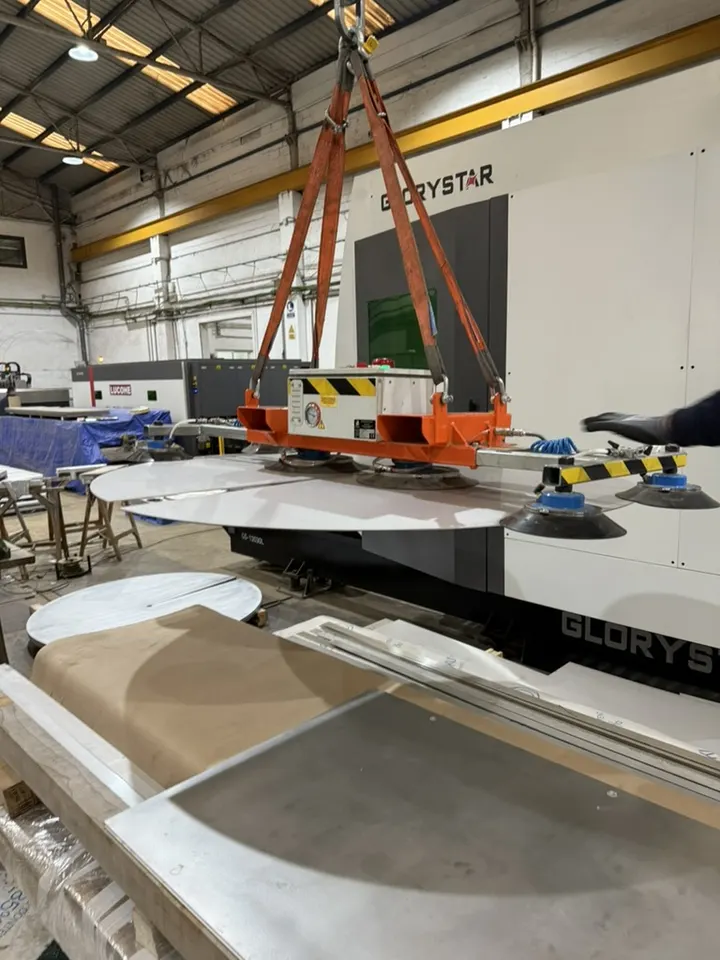
Start with the laser source. Today’s shops rely on fiber lasers for their speed, precision, and low maintenance. Look for a facility with multiple machines and a range of power outputs—from roughly 2 kW for thin-gauge work up to 12 kW or more for thicker plates. This flexibility allows the shop to optimize settings for your specific material and thickness, balancing cut quality and throughput.
Cutting bed size dictates the maximum part dimensions. Standard formats in Spain often span 1500 × 3000 mm or 2000 × 4000 mm, but some shops offer larger tables for oversized components. Make sure the shop’s equipment can nest your parts efficiently; a bed that’s too small leads to excessive sheet handling and waste, while an oversized bed might mean unnecessary cost for smaller orders.
Material expertise is equally important. A capable shop should demonstrate proficiency with mild steel, stainless steel, aluminum, and specialty alloys, and be able to advise on thickness limits (commonly up to around 25 mm for mild steel) and surface finish expectations. Ask how they handle material sourcing and traceability—critical for certified industries.
Quality Systems That Scale
For recurring orders, documented quality management is non-negotiable. Certification to ISO 9001 is the baseline, indicating that the shop follows standardized processes, but go deeper. Inquire about in-process inspection routines, final inspection checklists, and how non-conformances are tracked and corrected.
Dimensional verification should be integral to the workflow. Modern shops use coordinate measuring machines (CMM), laser scanners, or optical comparators. When evaluating a potential partner, ask about their first-article inspection (FAI) process and how they sample ongoing production. A shop that can provide capability study data (Cp, Cpk) for critical dimensions shows it truly controls its process.
Consistent quality across hundreds or thousands of parts often stems from automated nesting software, real-time cutting parameter monitoring, and structured preventive maintenance. These are strong signs that the shop invests in reliability, not just reactive fixes. Ask how the shop ensures that machine calibration is maintained over time, especially when running similar jobs repeatedly.
Lead Times and Delivery Reliability
On-time delivery is the heartbeat of repeat business. A competent laser shop will quote realistic lead times—often in the range of 5 to 10 working days for batch production, depending on complexity and material availability—and communicate proactively if supply chain issues or unexpected demand arise.
Assess the shop’s scheduling flexibility. Can they accommodate a sudden order increase or a rush batch without jeopardizing quality? Shops that run multiple shifts and have spare machine capacity can absorb peaks more easily. Lean production methods, such as rapid changeover and optimized nesting, also contribute to shorter, more predictable turnaround.
Do not overlook logistics. For EU-wide supply, a shop located near major transport hubs (like Coslada, Madrid) can reduce freight time and cost. Ask about packaging standards, labeling, and whether they offer just-in-time or kanban deliveries. A supplier that treats your dock-to-stock process as part of its service helps you avoid receiving headaches.
Dimensional Control and Tolerances
Modern fiber lasers routinely hold overall part tolerances in the neighborhood of ±0.1 mm, though this varies with material type, thickness, and cut geometry. Features with tight positional relationships may require additional care, and in some cases secondary machining is needed to achieve final specifications.
If your parts have critical dimensions, ask the shop for their process capability data. A trustworthy partner will not only share typical tolerances but also discuss how they validate results—for example, through periodic CMM checks or in-line laser measurement systems.
Repeat orders open the door to process refinement. Over multiple batches, a skilled shop can adjust parameters to improve edge quality, reduce dross, and minimize thermal distortion. That continuous improvement loop ultimately delivers higher consistency and can even lower your per-part cost without retooling.
Beyond Cutting: Complementary Services
Few projects end with a stack of laser-cut blanks. Consider what happens next: bending, tapping, welding, or assembly. A shop with in-house forming and joining capabilities eliminates risky handoffs between suppliers, shortens lead times, and often catches fit-up issues earlier.
Surface treatments—powder coating, wet painting, anodizing—and even light electromechanical assembly may be relevant. While you may not need every service for every order, the presence of these capabilities signals a mature operation that can support your evolving project requirements.
Finally, factor in logistics support. A partner that can package parts for long-distance shipping, handle export documentation, and consolidate loads for pan-European delivery simplifies your supply chain. Cortalia’s central location in Coslada, near Madrid’s logistics hubs, is a practical advantage for reaching both Iberian and broader EU markets efficiently.
From Supplier to Strategic Partner
A shop that invests time in understanding your product will naturally suggest improvements—better nesting for material yield, design tweaks for easier bending, or alternative materials that lower cost without sacrificing performance. Seek out proactive communicators who treat your challenges as their own.
Transparency is the foundation of a lasting partnership. The right shop will flag upstream material shortages early, propose equivalent grades when needed, and give you honest updates about machine downtime that might affect your order. This level of openness turns crisis management into routine coordination.
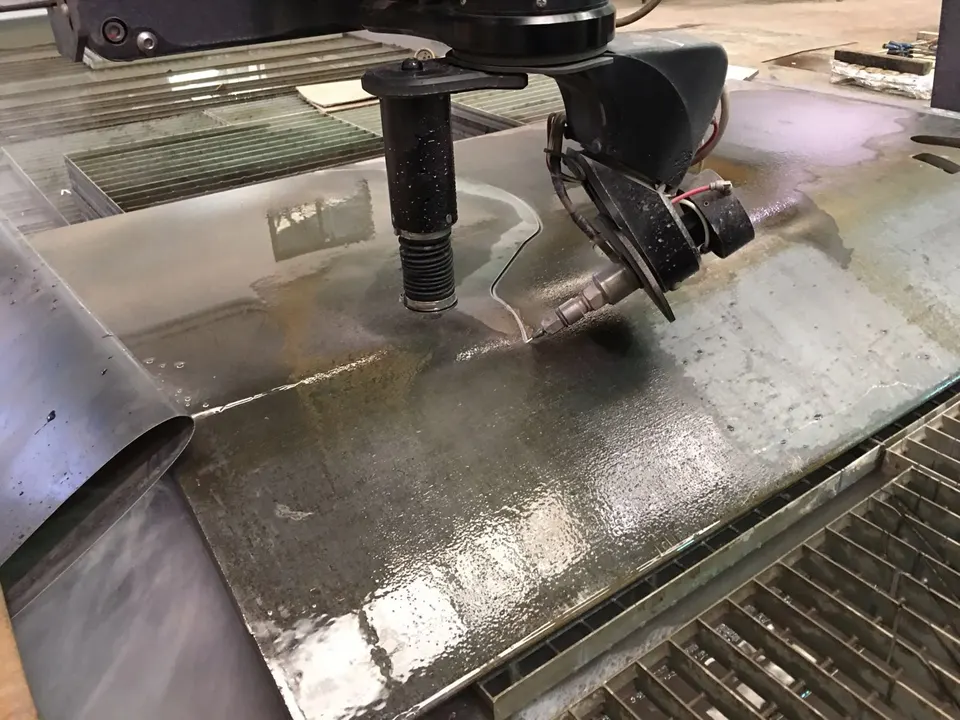
Ultimately, your laser cutting supplier should function as an extension of your engineering and purchasing team. This is the relationship Cortalia builds with industrial clients across Spain and the EU: reliable, technically grounded, and continuously improving. Our decades of experience in waterjet cutting, large-format laser machining, bending, and welding are supported by certified quality processes and a project-driven mindset.
Start your evaluation now. Send us your part drawings for a competitive, no-obligation quotation. Whether you need a few prototypes or a multi-year recurring order, Cortalia’s team in Coslada is ready to discuss your requirements and demonstrate how a true partnership can elevate your manufacturing outcomes.
Have an industrial project?
Our engineering team provides free consultations. We analyze your project and propose the most efficient solution in terms of quality, lead time, and cost.