Laser Cutting Materials and Thicknesses: A Practical Guide for Buyers
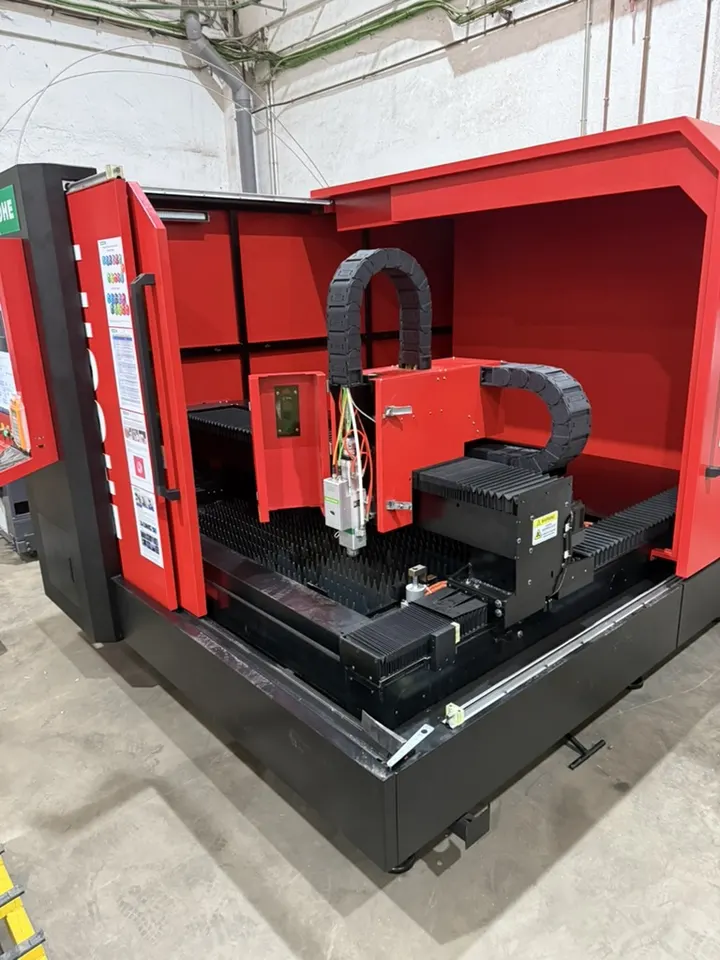
Laser Cutting Limits: Know Them Before You Send a Drawing
A drawing that looks simple in CAD can turn into a costly surprise when a machine can't hold the tolerance or the edge quality isn't what your assembly needs. Understanding what laser cutting can and cannot do is not about restricting your design – it's about making your design manufacturable from the start.
This guide gives you a practical overview of materials and thicknesses that are viable for industrial laser cutting, along with typical tolerances, edge behavior, and design rules of thumb. The goal is simple: help you filter out unfeasible requests before you send them for quotation, so you get faster, more accurate pricing.
Structural Steel: The Workhorse of Laser Cutting
Plain carbon steel, usually S235 or S275, is the most common material in laser-cut parts. With a fiber laser, you can reliably cut up to 20–25 mm in many industrial shops, and some high-power machines go beyond that. For the vast majority of sheet metal components – brackets, frames, covers, enclosures – the practical range is 0.8 mm to 12 mm, where speed and quality are at their best.
Edge quality on steel is generally excellent. A well-tuned laser produces a smooth, slightly striated surface with a thin oxide layer. For thicknesses under 10 mm, typical cutting tolerances sit in the range of ±0.1 to ±0.3 mm, but that depends on machine rigidity, material condition, and part geometry.
One rule of thumb: the thinner the material, the tighter the possible tolerance. On 3 mm steel, you can often expect repeatable positioning within ±0.1 mm. On 20 mm plate, you're looking at a bit more deviation. If you need a precise edge for critical features, communicate that on your drawing rather than assuming a standard cut will hold it.
Stainless Steel: Cutting with Heat and Care
Stainless steel, especially 304 and 316, is a laser-friendly material for thicknesses from 0.5 mm up to about 20 mm in most industrial settings. Because stainless has lower thermal conductivity than carbon steel, it holds heat longer, which can cause edge discoloration and slight deformation on thin sheets. That's less of an issue on thicker plate where the mass absorbs the heat.
For food-contact or visible architectural applications, you'll often want a clean, oxide-free edge. That's achieved by cutting with nitrogen gas instead of oxygen. This 'nitrogen cutting' process is standard for stainless up to about 10 mm, but it's more expensive and slightly slower. If your part doesn't need cosmetic edges, an oxygen cut can be perfectly acceptable and cheaper.
Tolerances on stainless are similar to carbon steel: ±0.1 to ±0.3 mm for thin to medium plate. One caution: stainless is more prone to thermal distortion on thin sheets (under 2 mm), so consider adding stiffening ribs or leaving extra material in the flat pattern if flatness is critical.
Aluminum: Light Weight, but Higher Cost per Edge
Aluminum is where laser cutting starts to show its capabilities and limitations. With modern fiber lasers, aluminum sheet up to 10 mm cuts very well, and you can go to 15–20 mm on higher-power machines. The material's reflective nature used to be a problem for older CO2 lasers, but that's largely solved with fiber technology.
Expect a slightly rougher edge on aluminum compared to steel. The cut face can have a fine striation pattern, and for thick sections, some dross on the bottom edge is common. Typically, a quick manual deburring or light abrasive finishing handles it. For high-integrity structural joints, you might prefer machining or waterjet for the critical faces.
On tolerances, aluminum behaves well: expect ±0.15 mm to ±0.4 mm for typical part features under 10 mm thick. For larger or thinner parts, the material's lower stiffness makes it easier to distort under thermal and mechanical stress, so consider whether a laser-cut profile is the right choice for a flimsy, flat, large panel.
Copper, Brass, and Other Non-Ferrous Alloys
Copper and brass are the trickiest materials for laser cutting. They are highly reflective and conduct heat quickly, so they require a high-power fiber laser and often get limited to thicknesses around 5–8 mm in many shops. Some contractors can go thicker, but it's not a standard everywhere operation. If you have a 15 mm copper part, expect to pay a significant premium or consider waterjet cutting instead.
For thin copper and brass under 3 mm, laser cutting is a great solution for electrical components, terminals, and decorative pieces. Edge quality is good, but you'll often see a slight burr that's simple to remove. Tolerances are similar to aluminum, but cutting speeds are considerably slower because of the heat dissipation.
Other special materials like titanium, nickel alloys, or high-strength steel are also laser-cuttable, but they're usually reserved for specific industries like aerospace or medical. If you're working with these, ask your subcontractor directly – a custom feasibility test is more useful than any generic thickness chart.
Design Rules and Typical Tolerances at a Glance
You can save a lot of lead time by applying a few design rules. The classic rule of thumb for holes: hole diameter should be at least equal to the material thickness. So if you're cutting 5 mm steel, don't specify a 3 mm hole – you'll get a distorted or plugged hole. For slots, make sure the width is at least 1.5 times the thickness.
Sharp internal corners are a laser cutter's enemy. The laser beam has a finite width, so every inner contour will have a natural radius 0.3–0.5 mm depending on the focus lens. If you need a truly square corner, you'll have to add a small relief cut or else accept a small radius. This is more important on thick plate than thin sheet.
Tolerances: for standard laser cutting on materials up to 10 mm, you can typically expect ±0.1 to ±0.3 mm on machined features like bolt holes and edges. On thicker materials (10–25 mm), that range widens to ±0.3 to ±0.8 mm. These are not guaranteed numbers – each part and material condition varies – but they are a solid starting point for your design review.
Send Us Your Drawings for a Feasibility Check
Laser cutting is an extremely versatile process, but the right choice depends on your material, thickness, tolerance, and edge quality needs. If you have a part in mind and you're not sure whether laser is the right route, the best move is to ask a specialist. A quick chat or a sample test on a scrap piece can resolve your doubts in minutes.
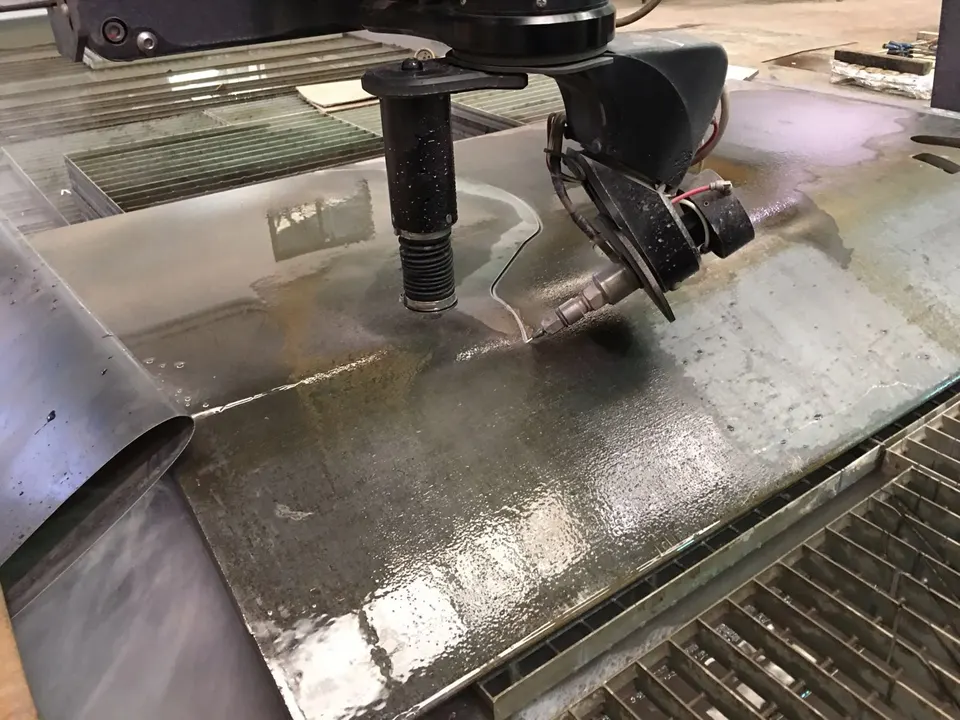
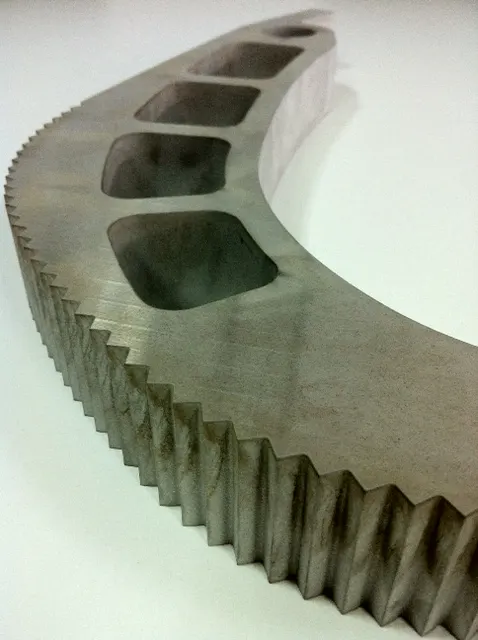
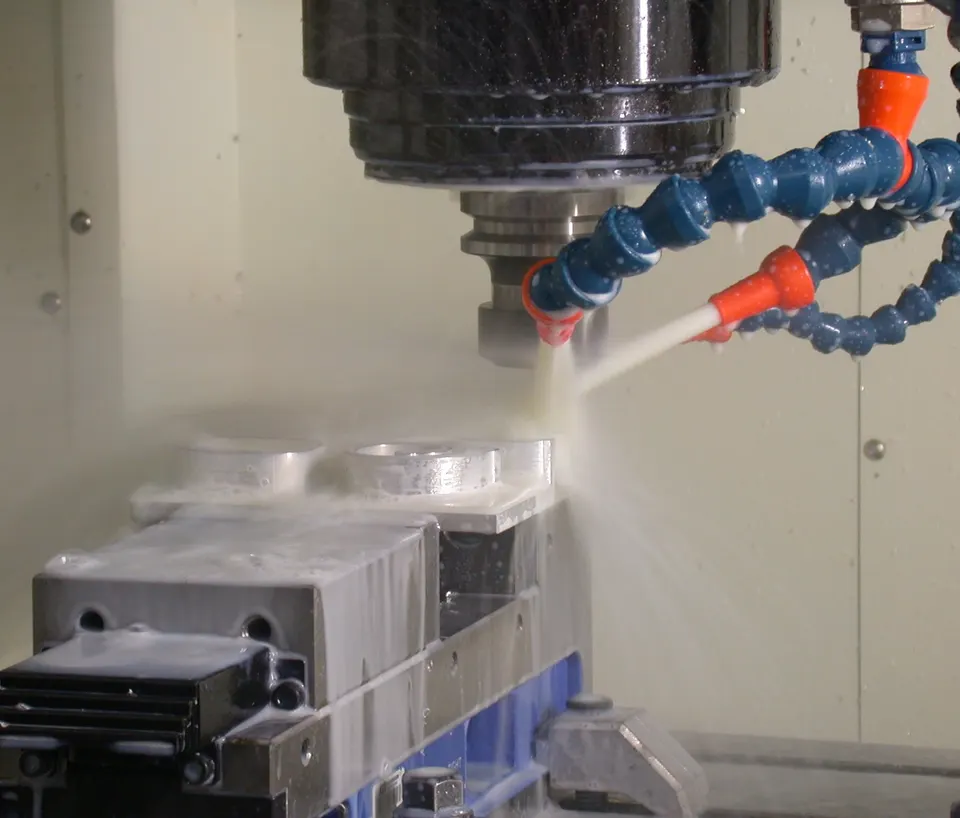
At Cortalia in Coslada (Madrid), we run large-format laser cutting, waterjet cutting, machining, bending, and welding under one roof. That means we can compare processes for you and recommend the most cost-effective route for your specific geometry and volume. Our engineers review every drawing looking for manufacturability issues before quoting.
Send us your drawings and material requirements for a free feasibility review and a responsive quote. We'll tell you what's possible, what's not, and what your best alternative is. It's the fastest way to turn a drawing into a component that meets your spec with no surprises.
Have an industrial project?
Our engineering team provides free consultations. We analyze your project and propose the most efficient solution in terms of quality, lead time, and cost.