Sheet Metal Laser Cutting: What Engineers and Buyers Must Know
Understanding Laser Cutting for Sheet Metal
Sheet metal laser cutting has transformed manufacturing, offering speed, precision, and flexibility unmatched by traditional methods. But diving into a project without clear specifications can lead to costly rework or parts that don’t meet expectations.
This guide walks you through the key factors engineers and procurement managers must understand before ordering laser-cut sheet metal parts. From material compatibility to edge finish, we cover what influences quality, cost, and lead time—so you can define your requirements with confidence.
Whether you’re prototyping a new bracket or sourcing production batches, knowing the basics will help you communicate effectively with your cutting service and avoid common pitfalls.
Materials and Achievable Thicknesses
Laser cutting handles a wide range of metals, but each comes with practical limits. Mild steel (S235, S355) is typically cut up to approximately 25 mm thickness with high-power fiber lasers, though quality may degrade near the upper limit. Stainless steel (304, 316) is commonly processed up to around 20 mm, while aluminum alloys (such as 5083) are feasible to about 15 mm—thicker sections require very high power and may show edge roughness.
Not all grades within these families behave identically. For example, pickled and oiled steel yields cleaner edges than hot-rolled plate. Similarly, laser-friendly aluminum compositions minimize dross. Always specify the exact grade on your drawing.
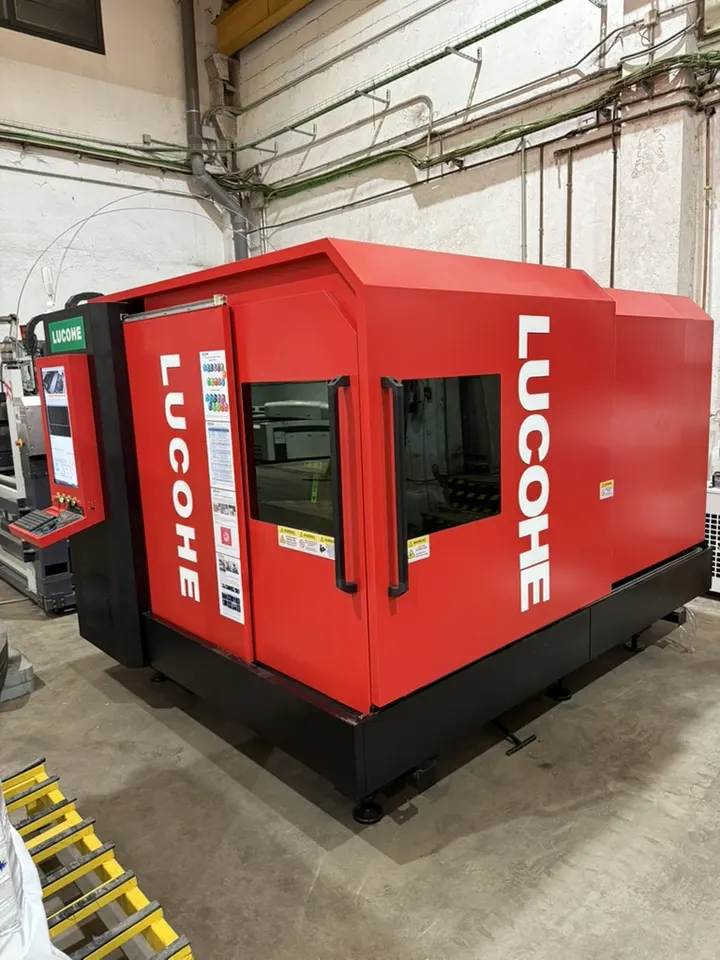
At Cortalia, our large-format laser cutting systems handle sheets up to sizable dimensions—well over two meters in length—and can process most industrial metals with the right parameters. This means fewer joints and higher productivity for large parts.
Typical Tolerances and Precision
Laser cutting is known for its accuracy. For thin sheets (up to 3 mm), a positional tolerance of ±0.1 mm is typical under controlled conditions. As material thickness increases, thermal effects become more pronounced; tolerances of ±0.2 mm or slightly more are common for 10 mm plate.
Feature size matters. A rule of thumb: avoid internal holes smaller than the material thickness, and for slots, maintain a width at least equal to the plate thickness to ensure clean piercing. Very small features may suffer from taper or incomplete ejection.
Repeatability from part to part is excellent—often within a few hundredths of a millimeter—making laser cutting suitable for assembly-fit components. However, for critical dimensions, consider that the heat-affected zone may cause slight local distortions, especially in thin stainless steel.
Edge Quality and Cut Finish
The condition of the cut edge directly affects functionality and aesthetics. Laser edges typically exhibit fine vertical striations with a surface roughness (Ra) in the low single-digit micrometer range when optimized. Factors like assist gas, cutting speed, and focus position all play a role.
Using nitrogen as an assist gas on stainless steel produces a bright, oxide-free edge ideal for cosmetic parts or those requiring welding without cleaning. Oxygen cutting on mild steel is faster and more economical but leaves a thin oxide layer; it may need light grinding if the edge is critical.
For thick plates, expect a slight vertical stagger and possible dross adhesion on the bottom edge. Chatter marks can appear if the machine isn’t properly tuned. A reputable service will tailor parameters to your required quality level rather than pushing maximum speed at the expense of finish.
Designing for Laser Cutting: Practical Tips
Good design reduces cost and improves cut quality. Avoid sharp internal corners—they concentrate stress and can cause melting; a minimum corner radius equal to the material thickness is a common guideline. Provide adequate spacing between parts: a gap of at least the sheet thickness prevents parts from tipping or colliding during cutting.
Consider kerf, the width of material removed by the laser (typically 0.1–0.5 mm depending on thickness and setup). This affects nest layout and final dimensions. Tab alignment features can help with post-cut assembly.
Nesting efficiency is key to cost control. Group parts of the same material and thickness into one batch. Large, simple profiles are more economical than many small intricate shapes due to reduced pierce time. If you can share a common cutting path or use shared edges, you’ll save material and time.
What Drives the Cost of Laser Cutting
Several variables influence the final quote. Primary cost drivers are material type and thickness, part complexity (number of pierces, cut length), and batch size. Mild steel is generally the most affordable; aluminum and stainless cost more due to slower cutting speeds and higher assist gas consumption.
Setup and programming are amortized over the batch, so per-part cost drops significantly with volume—especially for orders above 50–100 units. Complex shapes that require numerous starts and stops add cutting time, while simple contours are processed quickly.
Post-cutting operations like tapping, deburring, or bending will increase cost and lead time. If you can design parts to be ready-to-use after cutting, you’ll save. Discuss your full requirements early so the service can suggest cost-effective alternatives.
Getting Your Quote from Cortalia
Armed with an understanding of materials, tolerances, and edge quality, you’re ready to request a quote that matches your actual needs. Providing complete CAD files (preferably DXF or STEP) with detailed specifications—including material grade, required quantity, and any critical dimensions—will speed up the process dramatically.
Cortalia brings decades of precision subcontracting experience to your project. From our facility in Coslada, Madrid, we serve industrial clients across Spain and the EU with waterjet and laser cutting, machining, and more. Our large-format laser capacity means we handle everything from single prototypes to volume production.
Send us your drawings for a fast, no-obligation quote. Our team will assess feasibility, suggest improvements if needed, and deliver parts that meet your specs. Let’s build quality together.
Have an industrial project?
Our engineering team provides free consultations. We analyze your project and propose the most efficient solution in terms of quality, lead time, and cost.